Web Conferencing: Please Pay Attention
Whether you're participating in an online meeting, or physically sitting around a meeting table with colleagues, how often does your attention slip? For how long? What else do you think about and do? What makes you 're-surface' and start to pay attention and be involved?
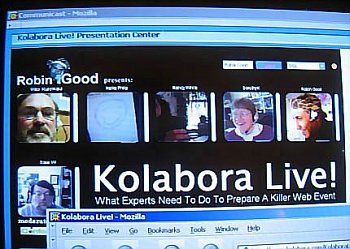
According to a recent study sponsored by Raindance Communications, a web conferencing technology provider, 90 percent of participants in audio conferences multitask by doing things other than paying full attention to the content of the meeting.
The survey also uncovered that the most frequent distractions during audio conferences were:
a) doing other work projects (70 percent frequency),
b) looking for materials being discussed in the meeting (69 percent) and
c) reading or sending e-mail and instant messages (50 percent).
Although the survey was carried out amongst a relatively small sample group (385 respondents) and the sponsor is a web conferencing vendor with a particular interest in promoting the video-based facilities of its Meeting Edition product, the results are interesting and note-worthy, especially when compared to another study carried out about a year ago by a different organization.
In the Raindance study, it was found that the most frequent distractions reported by audio conferencers include:
- Doing unrelated work (70%)
- Looking for the materials being discussed in the meeting (69%)
- Reading and/or sending e-mail or instant messages (50%)
- Eating (37%)
- Muting call and talking to someone else (36%)
- Surfing the Internet (27%)
In November 2003, Tandberg, a business visual communications supplier, carried out a survey aimed at comparing "the efficacy of face-to-face, audio, and electronic communication in accomplishing various business objectives and to better understand how video communication might fit into the current mix."
The Tandberg survey, carried out amongst a sample of 625 business professionals across five countries (US, UK, Norway, Germany and Hong Kong) contrasted respondents' attention behaviors during audio conferences and during face-to-face meetings.
What are people doing during audio conferences?:
- 23% gave full attention at last audio conference
- 27% did other work
- 25% checked/wrote e-mail
- 21% doodled
- 17% ate something
- 13% surfed the web
- 13% daydreamed
- 11% engaged in side conversations with the mute button on
- 8% were not fully dressed
- 4% put the call on hold
- 4% fixed makeup/hair/did other hygiene
- 3% left the call early
- 3% played games
- 2% paid bills
What are people doing during face-to-face meetings?:
- 55% gave full attention
- 5% did other work
- 3% checked/wrote e-mail
- 14% doodled
- 12% ate something
- 1% surfed the web
- 15% daydreamed
- 9% engaged in side conversations
- 2% were not fully dressed
- 13% left room for a break
- 2% fixed makeup/hair/did other hygiene
- 2% left the room early
1% played games
0% paid bills
Attracting and maintaining meeting participants' attention and involvement, especially in an online setting, is one of the greatest challenges facing web conferencng vendors seeking to demonstrate ROI for their clients and users.
Those that are able to develop thoroughly engaging features and facilities, whether video-based or not, are those that will ultimately succeed.
As emphasized by Eugene Eric Kim in a very recent online conversation with Robin Good:

"People Come First - and the natural starting place for building people-centric applications is the user interface."Think.


blog comments powered by Disqus